
Teaching kids to fail and learn from mistakes builds resilience, confidence, and intrinsic motivation. Discover how to raise happy, independent children through autonomy and grit.
“Success is not final, failure is not fatal: it is the courage to continue that counts.” —Winston Churchill
Why Learning to Fail Builds Resilience in Kids
How do we know if we’re good parents or not?
Most of us rely on our kids’ performance to tell us whether we’re doing a good job. If our children are exceptional students or excel in sports, we assume we must be great parents. But when they struggle academically, get in trouble at school, or feel anxious in social situations, we fear we’re doing something wrong.
We often measure our success as parents this way—and we tend to evaluate our children’s success the same way. There’s a harmful tendency to judge our kids by their accomplishments rather than by their happiness.
I’ve learned this lesson through hardship. Since my girls were born, I’ve repeated to myself that I don’t want perfect kids—I want happy kids. That doesn’t mean I expect them to be happy all the time. It means I want them to be beautifully imperfect, to take risks, and to make mistakes.
I want them to recover from bad experiences and learn something new from them. I want them to be proud of their resilience, consistency, and courage to keep trying.
To me, happiness means continuing to explore, make mistakes, learn from them, and never give up.
In our home, we no longer focus on grades—we focus on hard work and effort. During parent-teacher conferences, I used to focus on my daughters’ social and emotional development before academics. That comes first for my husband and me because we’re raising independent, resilient human beings who can choose their own path and feel happy with both the journey and the outcome.
We’re not raising an unhappy child who happens to be first in their class.
Sadly, suicide rates among young people keep increasing, and stress levels in teenagers and young adults are at an all-time high. I believe we, as parents, share part of the responsibility. When we put too much pressure on our children and set unrealistic expectations, we rob them of curiosity, creativity, and a love of learning.
There isn’t one single path to success or happiness. Life has ups and downs—that’s inevitable. The best tools we can give our children are independence, curiosity, bravery, and resilience. And that begins with not being afraid to make mistakes.
Intrinsic Motivation vs. Extrinsic Motivation
Angela Duckworth, in her book Grit, explains that perseverance and passion for long-term goals—what she calls grit—is a stronger predictor of success than test scores, IQ, or extracurricular achievements. Gritty kids thrive because failure strengthens grit like nothing else can.
Extrinsic motivation (like rewards or punishments) doesn’t work when we want children to think creatively, solve problems, or stay motivated long-term.
When we focus on grades, trophies, or empty praise, we unintentionally undermine curiosity and self-driven learning.
Research shows that anything a child perceives as controlling—bribes, threats, deals, or constant supervision—can hurt intrinsic motivation and long-term growth.
Encouraging Autonomy in Parenting
If we can’t motivate kids with rewards or control, what can we do?
The answer is simple: step back.
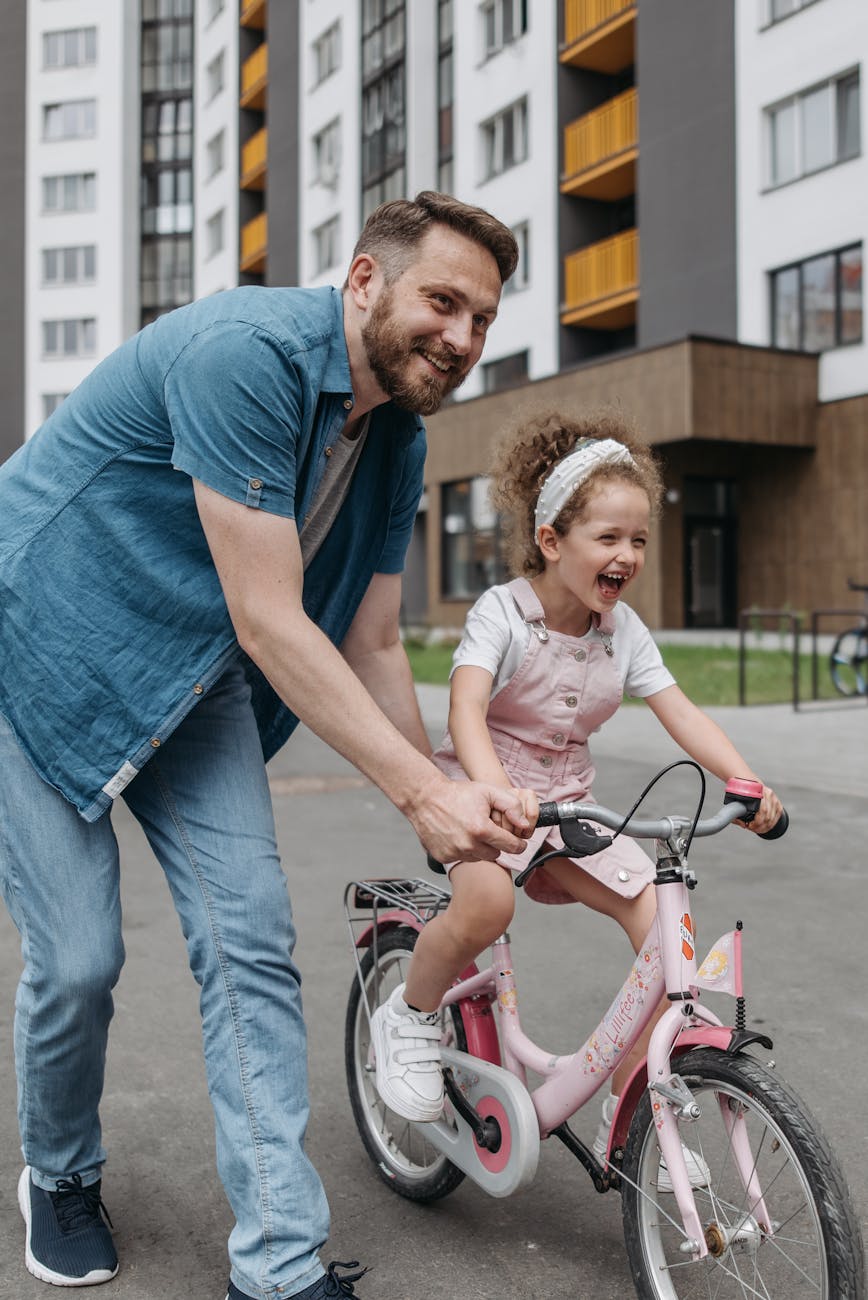
Allow your children the autonomy they crave, even if it means watching them struggle. For toddlers, this can mean offering limited choices—like picking between two snacks or outfits—to give them a sense of control.
As they grow, increase their responsibility. Establish clear non-negotiables, communicate expectations, and then give them freedom within those boundaries.
For example: say, “Homework must be completed fully and on time,” and then let them decide how and when to do it. Your job is to back off and trust them to manage it.
The Three Elements of Intrinsic Motivation
In the book The gift of failure, educator Jessica Lahey explains that intrinsic motivation flourishes when kids feel autonomous, competent, and connected. These three pillars should guide our parenting style.
1. Autonomy
Autonomy means kids develop their own internal rules and guiding principles.
When parents help children form their own “self-rules,” kids grow confident in problem-solving and creative thinking.
Control is the enemy of autonomy. Control often appears as threats, bribes, deals, excessive monitoring, imposed goals, or false praise.
Encourage your kids to set their own goals—it’s the safest way for them to fail and try again. Support their ambitions, even when they seem small to you; they’re big to them.
2. Competence
Competence comes from real ability and experience, not empty confidence.
Kids gain genuine confidence by facing challenges, managing risks, and learning through trial and error.
When we shield them from failure, we prevent them from developing resilience and a growth mindset.
Praise their effort, persistence, and ability to recover from mistakes—not just outcomes. Once they experience success through their own hard work, it becomes deeply rewarding.
3. Connection
Connection grows when we foster autonomy and competence—not control.
A controlling parenting style weakens the bond between parent and child. Overparenting teaches kids that they can’t succeed without us, and that damages both confidence and trust.
True connection comes from unconditional love, guidance, and belief in our children’s abilities.
Are You a Controlling Parent?
It’s not easy to admit, but we need to look in the mirror.
Are you constantly telling your kids how or when to do things?
Do you step in to correct their homework or chores because you think they’ll do it wrong or too slowly?
Try to stop yourself. Offer guidance only when they’re stuck, and give them time and silence to figure things out on their own. The goal isn’t for the task to be done perfectly—it’s for your child to learn how to do it and build confidence through effort.
Children crave responsibility and a role within the family. Give them meaningful ways to contribute to the family’s well-being. They’ll flourish when given responsibilities and the tools to succeed.
This isn’t a hands-off parenting style. Rules, respect, and structure still matter.
But within that structure, kids need the freedom to make mistakes while we guide them through the process of learning from them.
When kids and teenagers test limits, that’s a healthy sign—they’re exploring independence. As long as we hold steady on our principles, we can give them freedom within clear boundaries.
Change isn’t easy—it takes patience and persistence. But over time, your children will start doing things on their own, not because they’re told to, but because they want to. And that’s the foundation of true self-motivation.
Final Thoughts: Raising Independent and Resilient Adults
Our kids don’t need saving—they need support in learning how to lead their own lives. We won’t always be by their side, so it makes no sense to raise them to depend on us for every decision.
Later in life, when we expect independence from them, we might feel frustrated if they can’t take initiative. But if we never gave them the chance to practice autonomy, how could they know how?
Decision-making takes practice. Give your child opportunities to exercise it early, even when it’s hard to watch them struggle.
Resilience is a muscle, and like any muscle, it only grows stronger when it’s exercised.
Because we love our kids and want to raise competent, capable adults, we must prioritize their learning and growth over our own comfort.
Parenting isn’t about perfection — it’s about growth, for both us and our kids.
💬 Tell me in the comments: How do you help your child handle failure and keep trying?
Thank you for reading. See you next week.
With love,
Silvia





Leave a comment