Telling yourself “everything is amazing” doesn’t always heal self-doubt. Research reveals why forced positivity can backfire — and what actually helps you build real confidence over time.
A friend once told me she thought she was doing something wrong because affirmations never worked for her.
You know the ones:
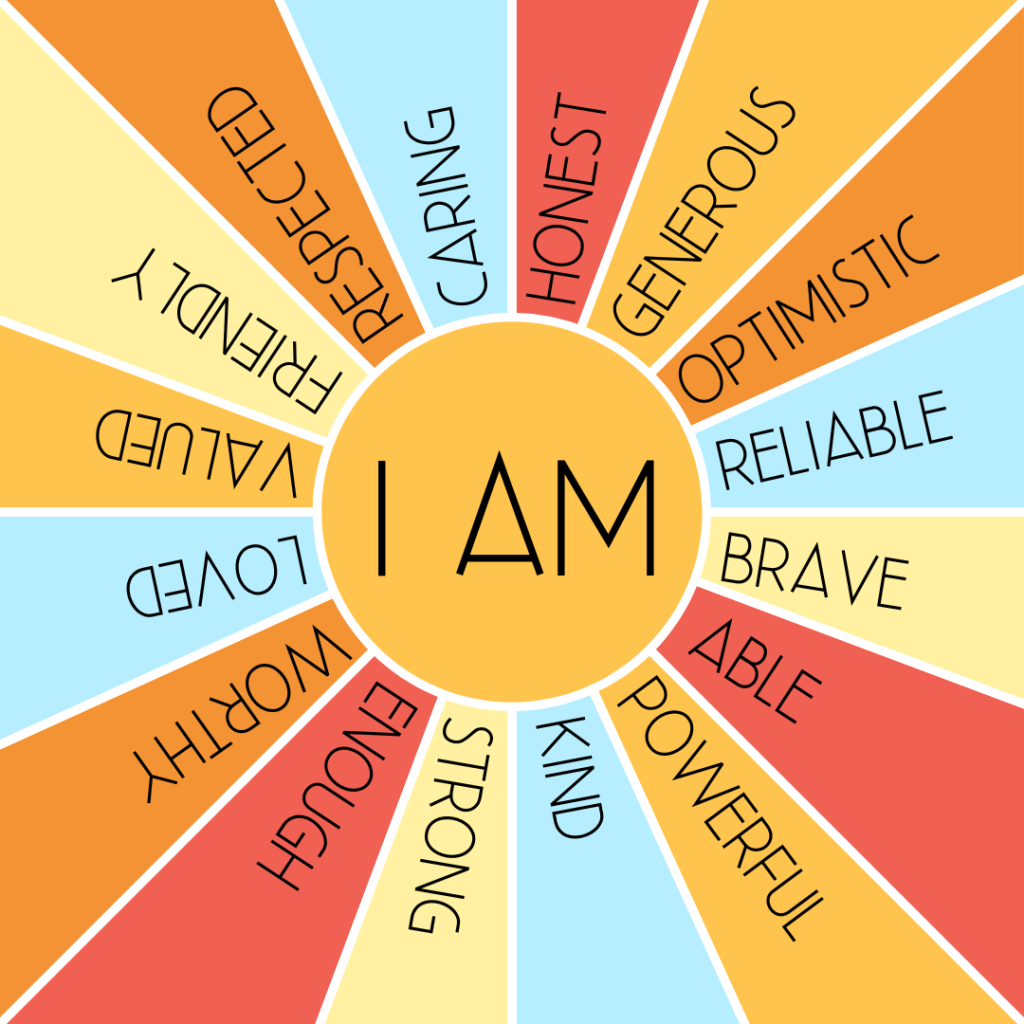
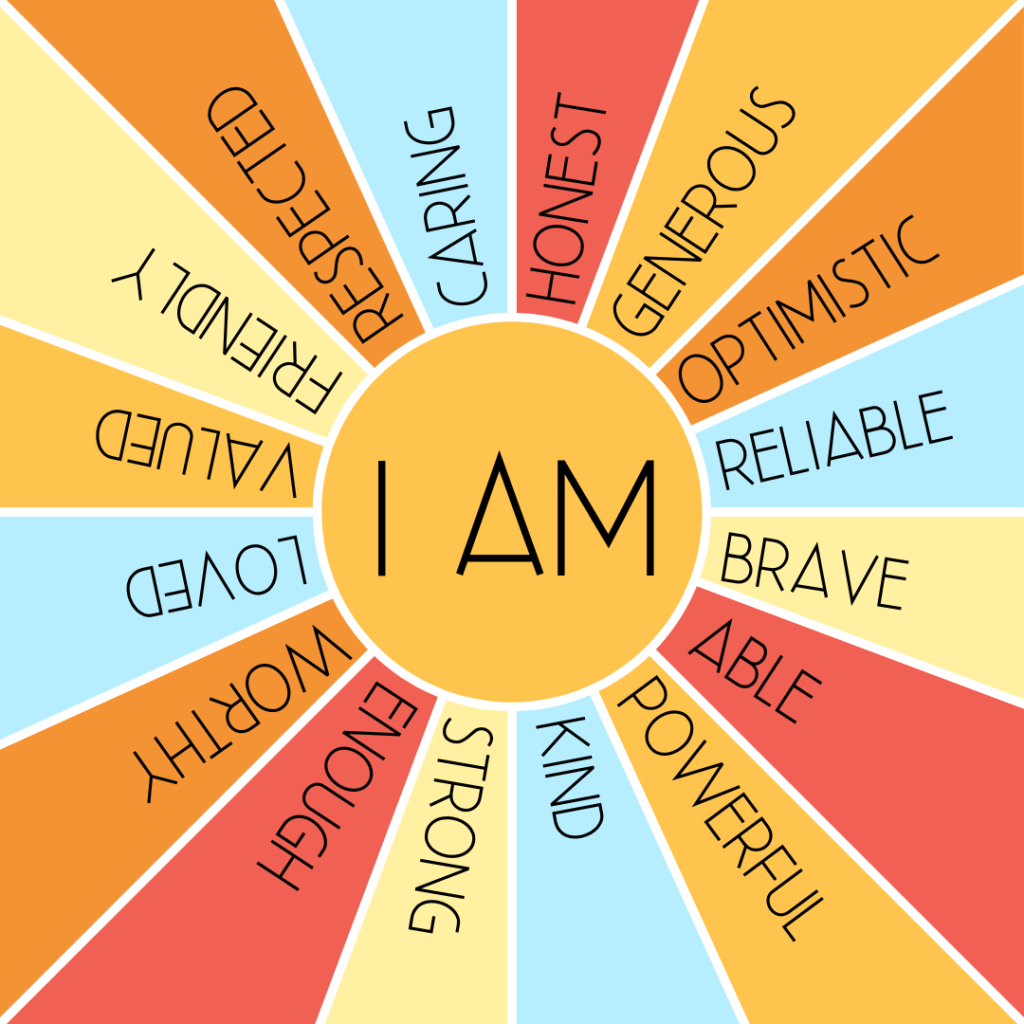
“I am confident.”
“I love myself.”
“I attract happiness.”
She would repeat them in the mirror, hoping one day her brain would finally believe them. But instead of feeling empowered, she often felt… ridiculous. Almost like there was a voice inside her rolling its eyes every time she tried.
And honestly? That experience is more common than most people realize.
For years, self-help culture convinced us that repeating positive phrases could completely change our lives. But research tells a more complicated story — especially for people who already struggle with self-worth.
A well-known study published in Psychological Science found that participants with low self-esteem actually felt worse after repeating overly optimistic statements about themselves. Instead of boosting confidence, the exercise intensified feelings of inadequacy.
Why does this happen?
Because our brains are incredibly good at detecting inconsistency.
If someone deep down believes they’re failing, unwanted, or not good enough, repeating a sentence that feels completely disconnected from their reality creates internal tension. Psychologists call this cognitive dissonance — the discomfort we feel when our thoughts and beliefs clash.
So instead of comforting yourself, your nervous system reacts with resistance:
“That’s not true.”
“Who are you kidding?”
“You don’t really believe that.”
And suddenly the gap between who you are and who you wish you were feels even bigger.
The problem isn’t that you’re broken.
The problem is that healing requires honesty, not performance.
Your mind responds much better to statements that feel believable, grounded, and compassionate.
That shift changes everything.
Instead of forcing yourself to say things you couldn’t emotionally connect to, start speaking to yourself in ways that felt realistic.
Not:
“I have my whole life figured out.”
But:
“I’m learning as I go.”
Not:
“I’m fearless.”
But:
“I can handle discomfort better than I used to.”
That tiny adjustment makes self-talk feel less fake and more supportive.
And interestingly, research supports this approach too.
Studies on self-compassion — particularly the work of psychologist Kristin Neff — show that treating yourself with kindness during difficult moments improves emotional resilience far more effectively than harsh self-criticism or forced positivity.
In other words:
You don’t need to become your biggest fan overnight.
You just need to stop becoming your own enemy.
Here are a few small shifts that genuinely help:
1. Replace pressure with progress
Your brain trusts evidence more than exaggeration.
Instead of saying:
“I’m amazing at this.”
Try:
“I’m improving little by little.”
Growth becomes easier when your mind doesn’t feel attacked by impossible expectations.
2. Ask yourself empowering questions
Questions engage curiosity instead of resistance.
Rather than forcing:
“I’m confident.”
Ask:
“What would a confident version of me do in this situation?”
That simple reframe activates problem-solving instead of self-judgment.
3. Speak to yourself like someone you love
Most people say things to themselves they would never say to a friend.
Pay attention to your inner dialogue this week.
Would you comfort someone else the way you comfort yourself?
If the answer is no, that’s a place to begin.
4. Build confidence through action, not slogans
Real self-esteem grows from keeping promises to yourself.
Tiny actions matter:
Going for the walk.
Sending the email.
Drinking more water.
Setting one boundary.
Resting when you need to.
Confidence is built through evidence.
And maybe that’s the reminder we all need sometimes:
You do not have to pretend to feel incredible in order to heal.
You’re allowed to be a work in progress.
You’re allowed to grow slowly.
You’re allowed to speak to yourself gently while you figure things out.
That’s not weakness.
That’s emotional honesty.
And emotional honesty is where real change begins.
Did you think of someone while reading this? Forward this newsletter to someone who’s tired of pretending they’re okay all the time. And if you want more honest conversations about mindset, emotional growth, and becoming kinder to yourself, subscribe below — I’d love to keep showing up in your inbox every week.
Thank you for reading, see you next week.
With love,
Silvia





Leave a Reply